 Jason Rise Car Wash
Car Care Knowledge Base
Jason Rise Car Wash
Car Care Knowledge Base
Why Ceramic Coating Fails – And Why It Usually Doesn’t Actually Fail

Many car owners say:
“My ceramic coating failed after a few months.”
In reality, this is rarely true.
Ceramic coating almost never disappears suddenly.
What most people experience is loss of visible performance, not actual coating failure.
Understanding this difference is critical — and it explains why many coatings are mistakenly removed and reapplied unnecessarily.
This topic is part of our Car Care Knowledge Base, where we explain ceramic coating maintenance, washing, contamination, and long-term care in depth.
If you’re asking questions like:
- My ceramic coating stopped beading — does that mean it failed?
- Why does my ceramic coating seem to stop working after some time?
- How can I tell if a ceramic coating is actually gone or just not performing?
- Do ceramic coatings really fail, or is something else happening?
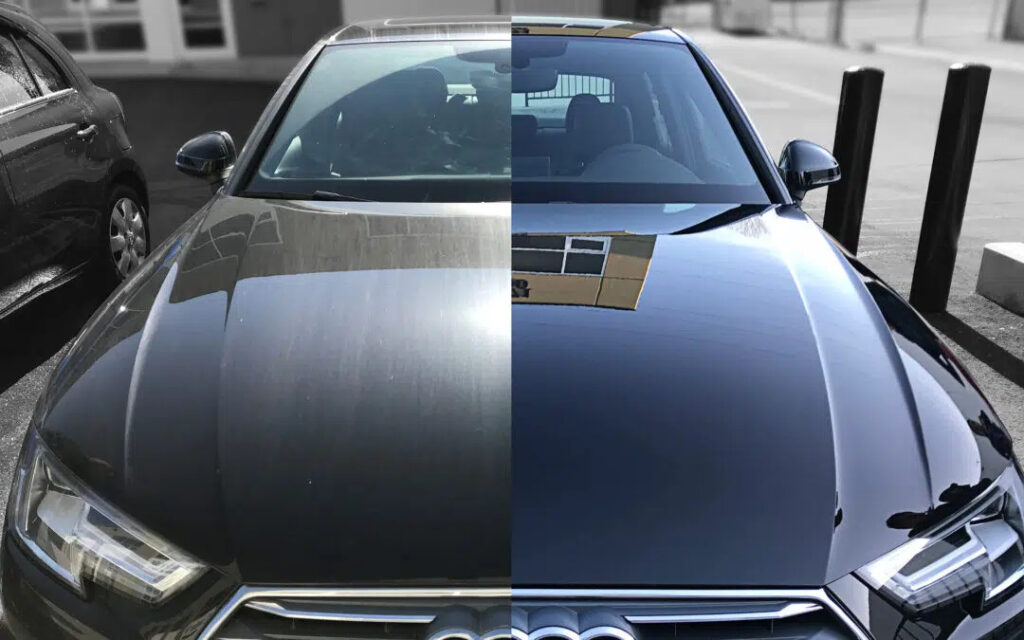
Short Answer: Why Does Ceramic Coating “Fail”?
Ceramic coating does not simply wash off or stop existing.
In most cases, it loses its hydrophobic behavior because the surface becomes contaminated or damaged by improper maintenance.
The coating is often still present — but it no longer behaves the way people expect.
Typical symptoms include:
- Water no longer beads consistently
- Gloss looks muted or “flat”
- The surface feels rough after washing
These symptoms are commonly mistaken for failure.
The Core Myth: “Ceramic Coating Just Wears Off”
This is the most widespread misconception.
A true ceramic coating:
- Chemically bonds to the clear coat
- Does not wash away with rain
- Does not suddenly disappear on its own
When performance drops, something interfered with the coating, rather than the coating simply expiring. This distinction is fundamental to understanding ceramic maintenance.
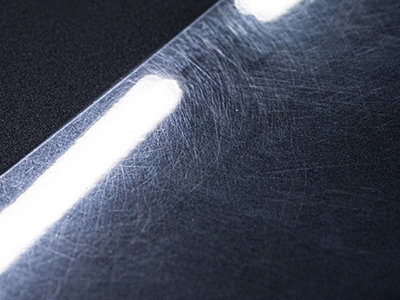
The Main Reasons Why Ceramic Coating Appears to Fail
1. Improper Washing (The #1 Cause)
Incorrect washing is the most common reason ceramic coatings lose performance.
Typical mistakes include:
- Automatic brush car washes
- Harsh or acidic cleaners
- Dirty sponges or towels
- High friction washing
These actions don’t remove ceramic coating instantly – they slowly damage its surface integrity over time.
This is why washing technique matters just as much as the coating itself.
At this point, it becomes essential to understand:
👉 How to Properly Wash a Ceramic-Coated Car (Complete Safe Wash Guide)
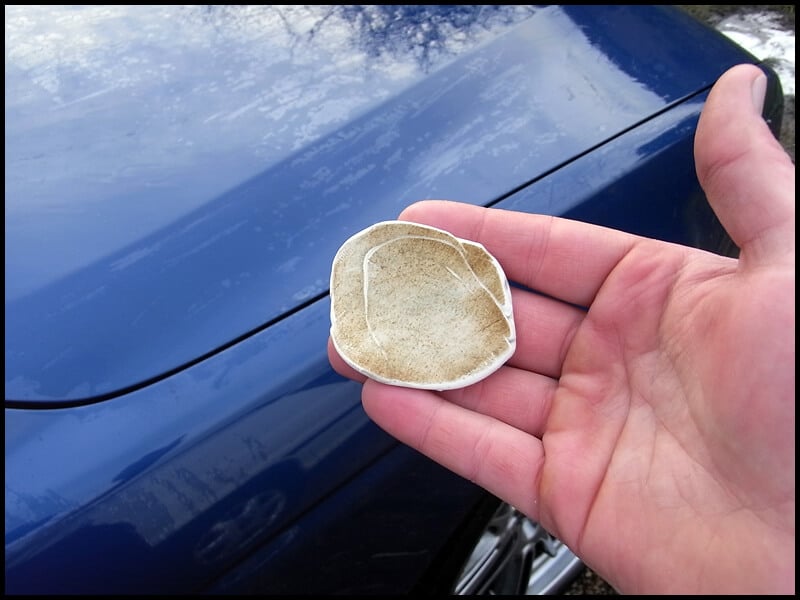
2. Surface Contamination (The Silent Killer)
Even when washed carefully, ceramic coatings gradually accumulate bonded contamination such as:
- Traffic film
- Mineral deposits from rainwater
- Brake dust and industrial fallout
- Winter road salt residue
The coating is still present – it is simply covered and suffocated.
This contamination blocks hydrophobic behavior and dulls gloss, creating the illusion of failure. In reality, this is a contamination issue, not coating death.
When contamination builds up to this level, proper washing is no longer enough – a dedicated decontamination process is required:
👉 What Is a Decontamination Wash – And Why Ceramic Coatings Need It
3. No Maintenance After Application
Ceramic coating is not a one-time, zero-maintenance solution.
Without:
- Regular safe hand washing
- Periodic decontamination
- Proper drying habits
- Occasional ceramic-safe refresh products
…the coating’s visible performance declines much faster than expected.
This does not mean the coating failed – it means it was neglected.
Is your ceramic coating losing its “wow” factor? Before you think it’s gone, let the experts at Jason Rise restore its peak performance with a professional decontamination wash.
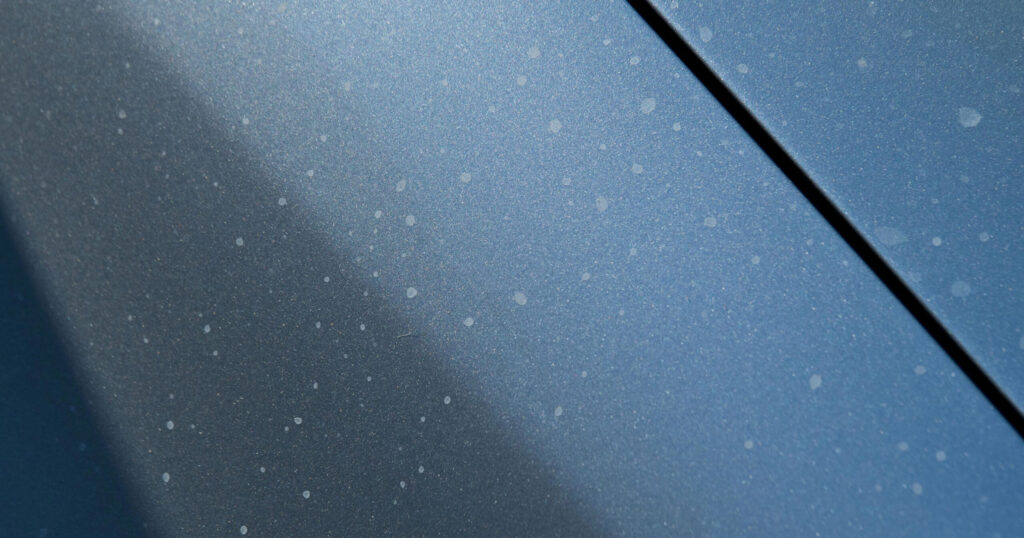
4. Water Exposure and Improper Drying
One of the most overlooked causes of ceramic degradation is water itself.
Repeated exposure to:
- Rainwater with minerals and pollutants
- Tap water that air-dries on the surface
- Long periods of moisture without drying
leads to mineral bonding and chemical stress on the coating.
Over time, this damages hydrophobic behavior more aggressively than light scratches ever could. This is especially relevant in wet climates – and is explained in detail here:
👉 How Water Can Kill Ceramic Coating Faster Than Scratches
Drying habits accelerate degradation.
One of the most underestimated causes of coating degradation is improper drying:
👉 Why Air-Drying Slowly Kills Ceramic Coating
Stop this from happening to your car by mastering the most critical step of maintenance:
👉 Proper Drying Techniques for High-End Ceramic Coatings
How to Tell If Ceramic Coating Is Still There
Before assuming failure, look for these indicators:
- The surface still feels relatively smooth
- Water beads or sheets in at least some areas
- Performance improves after a proper wash
- Upper panels behave better than lower panels
If performance partially returns after correct washing, the coating is still present.
A truly failed coating does not “come back” at all. These are early diagnostic signs that help distinguish contamination from true coating failure.
How to Prevent Premature Ceramic Coating Failure
To make ceramic coating last years, not months, the fundamentals matter more than the brand of coating used:
- Hand wash only
- Use pH-neutral, ceramic-safe shampoos
- Never allow water to air-dry
- Remove bonded contamination periodically
- Refresh the coating when needed
Ceramic coating doesn’t need aggressive treatment – it needs correct care.
Why This Happens More Often in Vancouver
Vancouver creates a perfect storm for ceramic coatings:
- Frequent rain introduces mineral contamination
- Cars stay wet longer due to humidity
- Winter adds salt, grit, and road film
- Repeated partial drying accelerates buildup
In this environment, ceramic coatings don’t fail faster —
they become contaminated faster if not maintained properly.
With correct care, ceramic coatings perform extremely well even here.
Given our local weather, many drivers ask if the protection can really survive. The answer is yes, but it depends on one factor. Read our full analysis:
👉 Is Ceramic Coating Worth It in Vancouver – And Does It Need Maintenance?
Final Verdict
In real-world conditions, ceramic coatings rarely fail all at once.
What most people notice instead is uneven performance – strong water beading on upper panels, and weak or inconsistent behavior on doors and lower areas.
This is one of the most common signs that a coating is still present, but partially blocked by contamination rather than damaged.
Learn how to recognize this correctly: